Bob Severely Injured as Sig Hansen’s Northwestern Slams Into the 8-Mile Canyon — She’s Rushed to Crisis Care by Helicopter
Bob Severely Injured as Sig Hansen’s Northwestern Slams Into the 8-Mile Canyon — She’s Rushed to Crisis Care by Helicopter
Red Alert in the Heart of the Storm: Sophia “Bob” Nielsen Injured as Rescue Helicopter Battles Through the Night
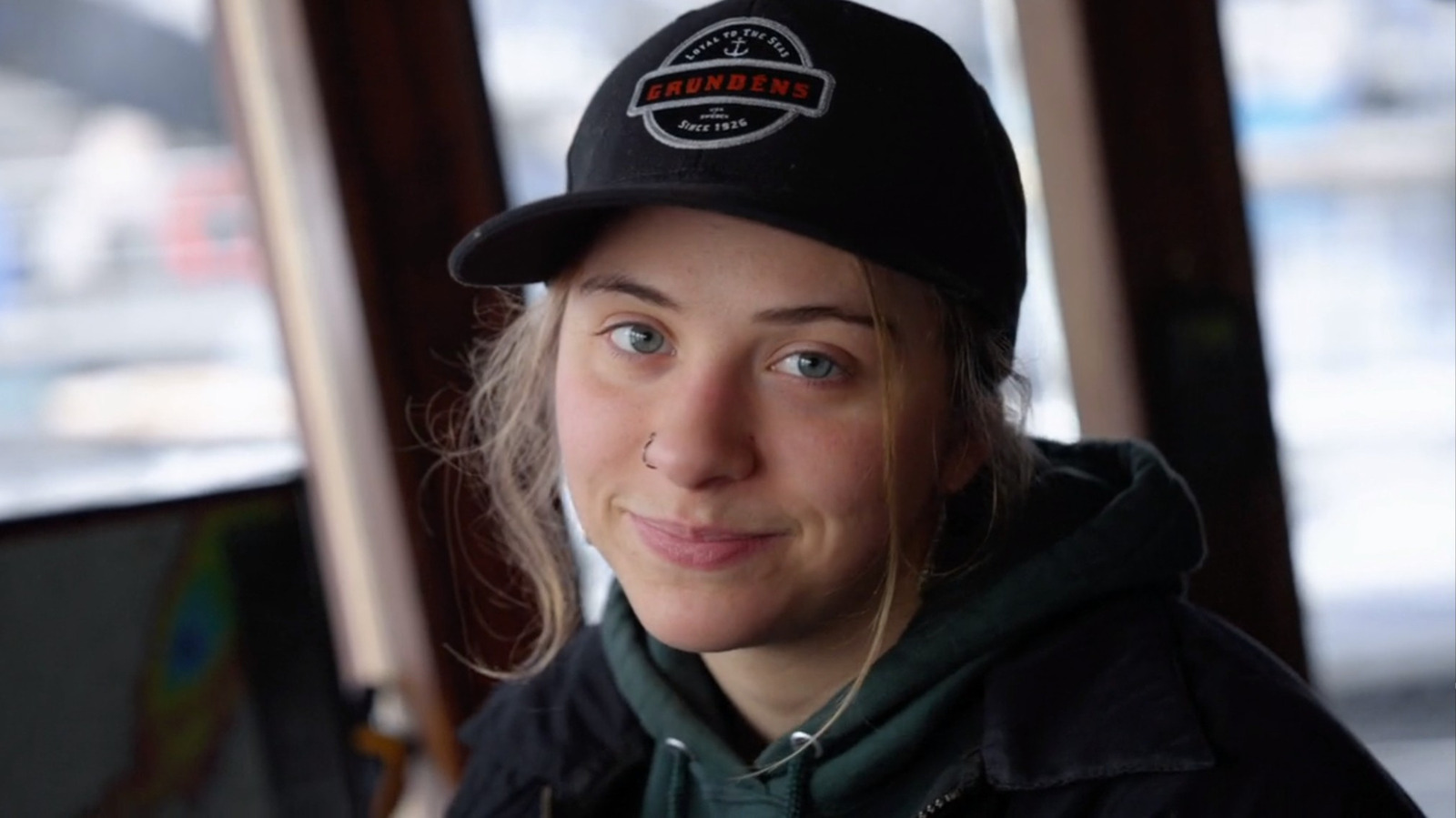
The catastrophic collision inside the fictional 8-Mile Canyon has taken an even darker turn aboard the Northwestern, with the vessel’s struggle against flooding now overshadowed by a desperate fight to save one of its own crew members. In this fictional Deadliest Catch storyline, Bob, an experienced deckhand working near the vessel’s winch and crane system, has suffered devastating injuries after the collision with the underwater rock formation sent heavy equipment crashing across the deck. With the Northwestern damaged and the storm tightening its grip around the canyon, Captain Sig Hansen is forced to make another desperate Mayday call as the crew fights to keep Bob alive long enough for rescuers to reach him.
The accident happened moments after the Northwestern slammed into the submerged rock formation. The impact had already sent a violent shock through the vessel, throwing equipment out of position and causing seawater to rush into the lower compartments. Crew members were scrambling to identify the source of the flooding when another danger suddenly emerged above them. A crab pot weighing nearly half a ton had been suspended near the winch system when the collision placed enormous strain on its supporting cable.
Without warning, the cable snapped.
The massive steel pot swung violently through the working area before crashing into a section of scaffolding positioned near Bob. The structure buckled under the force, sending metal components tumbling across the deck. Bob was caught directly in the path of the collapsing equipment and was thrown violently against the side of the vessel. The impact left him motionless amid the wreckage as his fellow crew members rushed toward him.
For several terrifying seconds, there was no response from Bob. Blood was visible around his head and chest, while the violent movement of the Northwestern made it difficult for the crew to safely reach him. The men quickly cleared the debris and attempted to assess his condition, but what they discovered only increased their fear. Bob was suffering from severe chest trauma and appeared to be struggling desperately to breathe.
The crew suspected that multiple ribs had been fractured during the impact and that the injuries had affected his ability to breathe normally. His condition deteriorated rapidly as the fishermen attempted to stabilize him on the unstable deck. Within minutes, Bob became increasingly unresponsive before slipping into unconsciousness, leaving the crew facing a medical emergency that could not be treated with the limited resources available aboard a damaged crab boat.
The situation aboard the Northwestern was now approaching complete chaos. The vessel was still dealing with seawater entering through the damaged hull, electrical systems were behaving unpredictably and the storm continued hammering the ship from every direction. Yet the crew immediately shifted its attention toward Bob. Fishing operations were abandoned completely as the men concentrated on keeping their injured colleague alive.
Captain Sig Hansen reportedly rushed to coordinate the emergency response from the wheelhouse. The captain’s earlier confidence had disappeared, replaced by visible shock and regret. Only hours earlier, he had ordered the Northwestern into the dangerous canyon because he believed the potential crab concentration was worth the risk. Now one of his own crew members was lying unconscious on the deck while the vessel itself struggled to remain stable.
Hansen immediately transmitted a Mayday call to the United States Coast Guard, requesting an urgent medical evacuation. His voice reportedly became strained as he described the condition of the injured fisherman and the increasingly dangerous situation surrounding the vessel. The message was clear: Bob needed professional medical attention immediately, but reaching the Northwestern would be extremely difficult.

The Coast Guard nevertheless launched a rescue helicopter toward the vessel.
The aircraft faced an extraordinary challenge. The narrow canyon created dangerous wind patterns, while powerful gusts swept unpredictably between the surrounding areas. The damaged Northwestern was constantly moving, making any attempt to lower a rescue basket or stretcher extremely hazardous. The helicopter crew could not simply approach and begin the evacuation without finding a safe window in which the aircraft could maintain a stable position above the vessel.
For nearly two hours, the rescue helicopter reportedly circled through the darkness.
Below, the crew waited.
The storm had turned the area into an almost impenetrable wall of wind and spray. Every time the helicopter appeared ready to begin the hoist, another powerful gust forced the aircraft to reposition. The rescue team had to balance the urgency of Bob’s condition against the danger of attempting an aerial evacuation in such confined and unstable conditions.
Inside the Northwestern, the waiting became agonizing. Crew members continued monitoring Bob while others fought to control the flooding. Pumps worked continuously to remove incoming seawater, and emergency equipment was secured wherever possible. The men were effectively fighting two separate battles at the same time: keeping their vessel afloat and keeping their injured colleague alive.
Bob remained unconscious throughout the ordeal.
For his crewmates, every minute seemed to carry enormous weight. They knew that serious chest injuries could become increasingly dangerous without advanced medical care, and they had no way of knowing how much longer Bob could survive aboard the damaged vessel. The storm had transformed a rescue that might normally take minutes into an operation measured in hours.
Finally, after nearly two hours of circling, the weather provided a narrow opportunity.
The Coast Guard helicopter moved into position above the Northwestern. The rescue crew prepared the hoist while the fishermen below secured the deck as much as possible. Wind battered the aircraft, and the damaged vessel continued rolling beneath it, but the rescuers began lowering the stretcher toward the deck.
The moment the basket reached the crew, several fishermen rushed forward.


They carefully transferred Bob onto the rescue stretcher, securing his unconscious body before signaling the helicopter crew. The hoist began pulling him upward as the wind whipped across the deck. For a moment, the entire crew watched in silence as Bob’s injured body disappeared into the darkness above them.
The rescue had succeeded.
But the Northwestern remained in serious trouble.
As the helicopter carried Bob away toward emergency medical care, the damaged fishing vessel was left behind in the canyon, still fighting against the water entering through the breached hull. Captain Hansen reportedly watched the aircraft disappear into the night with a mixture of relief and fear. His crewmate was finally on his way to professional medical treatment, but Hansen knew the crisis aboard his own vessel was far from over.
The accident had transformed the entire mission. The 100,000-pound crab quota that had driven Hansen into the canyon no longer mattered. The valuable crab pots scattered around the fishing grounds were irrelevant. The only thing that mattered was whether Bob would survive his injuries and whether the Northwestern could make it out of the canyon without suffering even greater damage.
For the exhausted fishermen, the rescue offered one small moment of hope in an otherwise disastrous night. Bob had been pulled from the damaged vessel, but his condition remained critical, and the full extent of his injuries would only become clear once doctors could examine him.
Meanwhile, Sig Hansen faced the consequences of a decision that had placed the entire crew in extraordinary danger. The Northwestern had entered the canyon searching for a fortune in crab, only to collide with underwater rocks and leave one of its fishermen fighting for his life.
As the battered vessel continued struggling against the storm, the captain could only stare into the darkness and wonder whether the pursuit of one final haul had cost his crew far more than any season’s quota could ever be worth.
And with Bob now racing toward a hospital while the Northwestern remained trapped in the storm-damaged canyon, one terrifying question remained: would Bob survive the injuries he suffered aboard the vessel—and could the Northwestern escape the deadly canyon before the flooding turned the accident into an even greater catastrophe?